
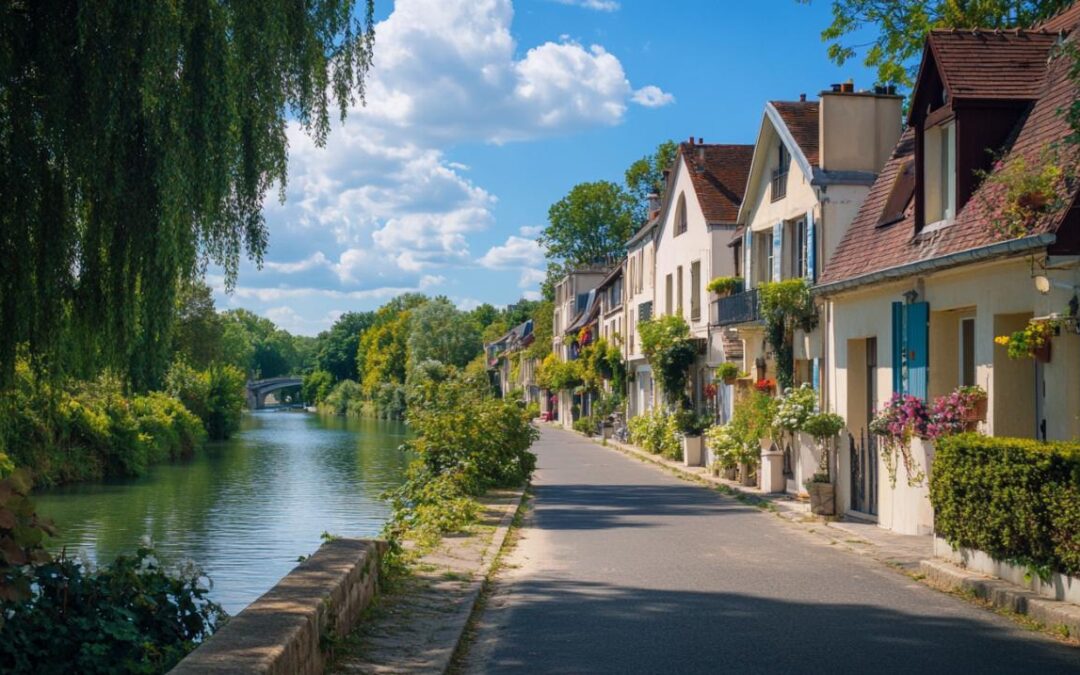
The Île-de-France region, with its sprawling suburbs and historic communes, offers a fascinating tapestry of urban and natural landscapes. Créteil, a vibrant city nestled in the Val-de-Marne department, serves as an ideal starting point for discovering how France's suburban areas blend residential architecture, green corridors, and accessible postal geography. Whether you're planning a day trip from central Paris or exploring the unique character of this Marne-side commune, understanding the layout and offerings of Créteil reveals much about the broader regional approach to urban planning and sustainability.
Understanding créteil's postal geography and location
The postal code system in val-de-marne
Créteil operates under a straightforward postal code system that reflects its administrative position within the Val-de-Marne department. The primary postcode for Créteil is 94000, which covers the central areas of the city and its main administrative districts. This numbering follows the French national scheme where the first two digits, 94, denote the Val-de-Marne department, part of the greater Île-de-France region. Within Créteil itself, certain specific districts and newer developments may have slight variations in the postcode, but the 94000 designation remains the most recognised identifier for residents, businesses, and visitors alike. This system simplifies navigation and mail delivery across a city that has grown considerably over recent decades, transforming from a modest commune into a significant urban centre with modern infrastructure and diverse residential design. The clarity of the postal code structure aids both locals and tourists in pinpointing addresses, whether they are seeking cultural architecture venues, educational institutions, or simply a quiet park bench along the Marne.
Créteil's position within the greater paris metropolitan area
Situated just southeast of Paris, Créteil occupies a strategic position along the Marne River, making it both a residential hub and a gateway to the broader Île-de-France region. The city is well-connected to central Paris via the Métro Line 8, which provides a direct and efficient route for commuters and visitors. This accessibility has encouraged substantial urban regeneration over the years, with new commercial architecture and public spaces emerging alongside traditional neighbourhoods. Créteil's proximity to Paris means that it benefits from the cultural and economic dynamism of the capital while retaining a distinct suburban character defined by green corridors, waterfront parks, and community-focused design. The city's location within Val-de-Marne also places it in a department known for its commitment to sustainability and urban diversity, themes that resonate throughout the planning and development of public architecture and landscape urbanism projects.
Green Corridors and Public Spaces Along the Marne
Waterfront Parks and Recreational Areas in Créteil
The Marne River serves as a natural spine for Créteil's network of green spaces, offering residents and visitors a variety of recreational areas that emphasise both leisure and environmental stewardship. One of the city's most notable features is the vast Lac de Créteil, an artificial lake created in the 1970s that has since become a focal point for outdoor activities, from jogging and cycling to picnicking on park benches under the shade of mature trees. The surrounding parkland is designed with principles of landscape urbanism in mind, integrating waterfront paths, community gardens, and open lawns that encourage spontaneous gatherings and social inclusion. The emphasis on organic farming practices in some of the smaller urban plots along the Marne reflects a broader trend in France towards local food production and soil biodiversity. Technosol, a type of engineered soil made from organic waste and recycled materials, is increasingly used in these green spaces to support plant growth and enhance sustainability. This approach mirrors initiatives seen elsewhere in the Île-de-France region, such as those at Parc Suzanne Lenglen in Paris, where rooftop gardens and varied mowing schedules promote ecological diversity and urban agriculture.
Connecting urban nature across île-de-france communes
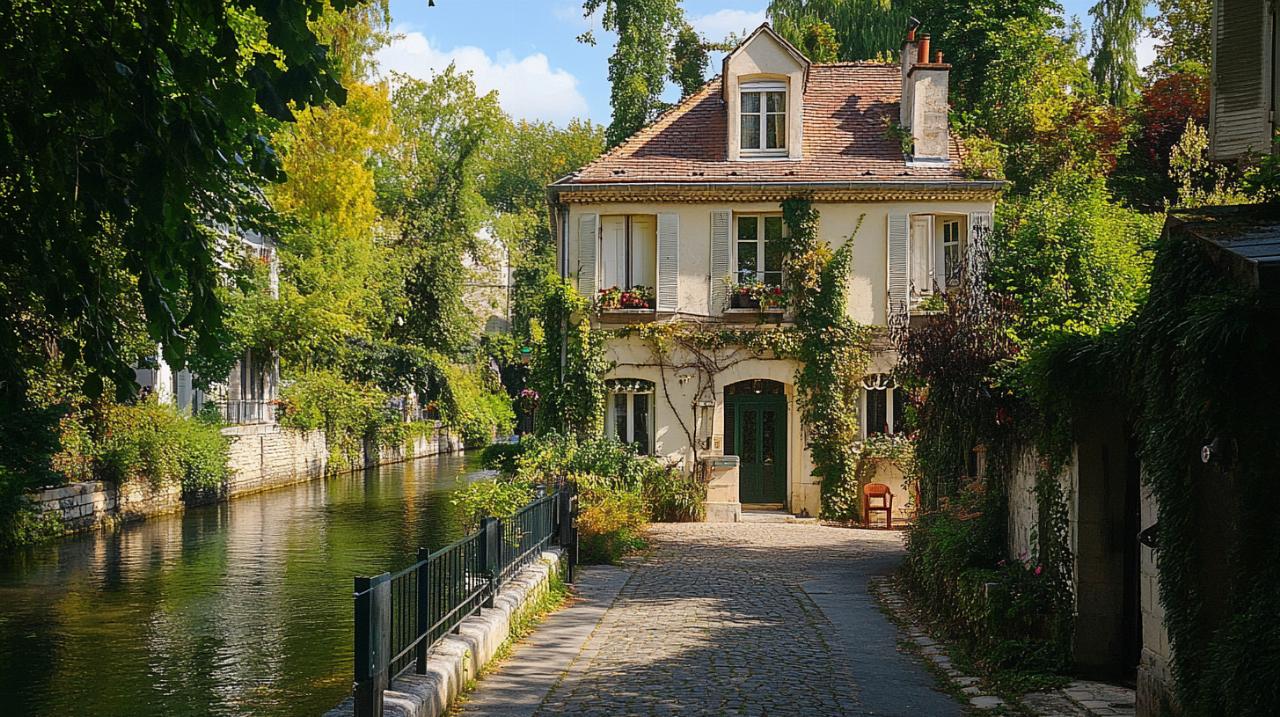
Beyond Créteil's immediate boundaries, the green corridors along the Marne link the city to neighbouring communes, creating a continuous network of urban parks and natural attractions that enrich the entire Val-de-Marne department. These connections are vital for promoting biodiversity, reducing social exclusion, and fostering place attachment among residents who value access to nature within their urban environments. The integration of rooftop gardens, small-scale organic farms, and public architecture designed to harmonise with natural landscapes reflects a commitment to sustainability that is increasingly recognised in design awards and urban management circles. Projects that emphasise community engagement and mixed neighbourhoods, rather than deprived neighbourhoods isolated from green resources, are seen as models for future urban policy and governance. The success of these initiatives in Créteil and surrounding areas demonstrates how thoughtful planning can transform suburban landscapes into vibrant, inclusive spaces that serve both ecological and social purposes. Visitors exploring these green corridors will find that the combination of waterfront beauty, accessible design, and innovative land use makes the region a compelling destination for those interested in contemporary approaches to urban living.
Navigating france's suburban landscapes: a visitor's perspective
Getting around the val-de-marne department
For travellers keen to explore Créteil and the broader Val-de-Marne, understanding the public transport options and local infrastructure is essential. The Métro Line 8, which terminates in Créteil, provides a reliable link to central Paris, making it easy to plan day trips that combine urban exploration with visits to natural attractions. Additionally, regional bus services and tram lines connect Créteil to other communes in the Île-de-France, facilitating access to cultural architecture sites, educational architecture hubs, and commercial areas. The city's layout, informed by decades of urban planning and regeneration, ensures that key destinations are well signposted and accessible, whether you are navigating by public transport or on foot. For those interested in design publications or architectural news, Créteil's modern cityscape offers examples of residential design and hospitality design that reflect broader trends in building materials and technology. The presence of design competitions and student projects in local institutions also underscores the area's commitment to fostering innovation and community engagement.
Day Trips from Central Paris to Créteil's Natural Attractions
A day trip from central Paris to Créteil offers a refreshing change of pace, with the journey taking less than half an hour via the Métro. Upon arrival, visitors can explore the Lac de Créteil, where the waterfront parks provide ample opportunities for relaxation and outdoor activities. The area around the lake is dotted with park benches, picnic spots, and walking paths that invite leisurely exploration. For those interested in urban sustainability, the presence of organic farming plots and rooftop gardens in the vicinity offers insight into local food production initiatives and the use of Technosol in urban agriculture. Beyond the lake, Créteil's town centre features a mix of contemporary architecture and public spaces designed to encourage social interaction and cultural exchange. The city's diverse population and commitment to mixed neighbourhoods rather than socially isolated areas reflect broader themes of urban diversity and super-diversity that are increasingly studied in urban policy circles. Events and exhibitions related to design awards, such as those spotlighting innovative uses of building materials or technology, occasionally take place in Créteil, providing additional reasons to visit. Whether you are seeking a quiet afternoon in a park, an exploration of modern residential design, or a deeper understanding of how French suburbs manage urban regeneration and sustainability, Créteil in the Val-de-Marne offers a rewarding and accessible destination.