
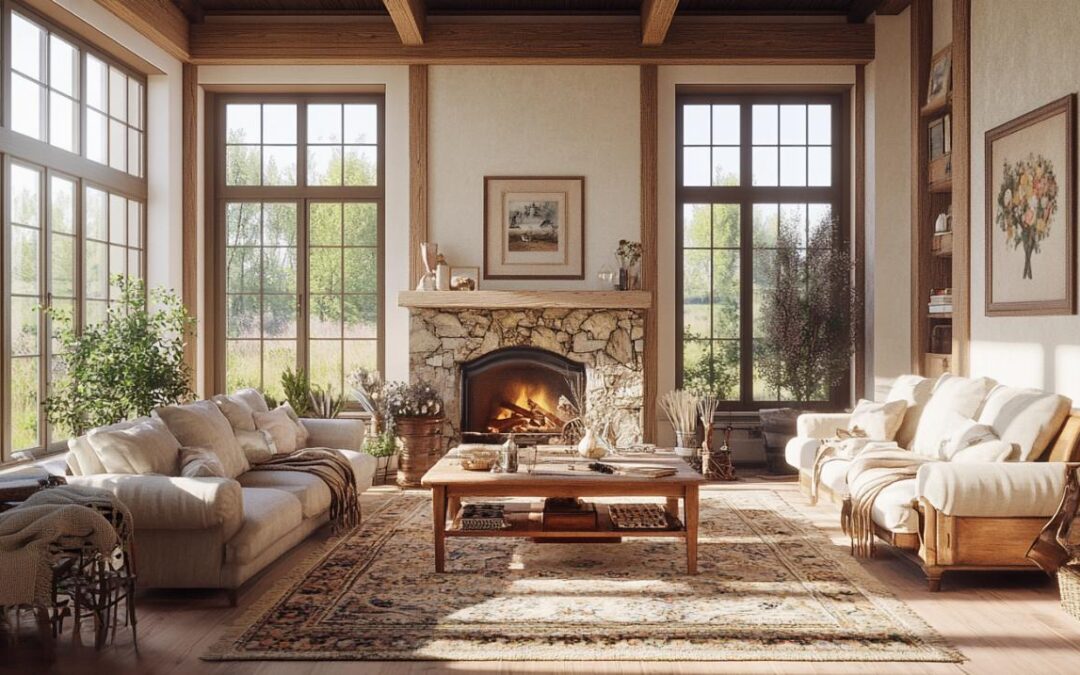
Creating a warm and inviting atmosphere in a country home requires a thoughtful blend of natural materials, soothing colours, and personal touches that reflect the charm of rural living. Whether you are renovating a period property or simply seeking to enhance your existing space, the principles of countryside interior design can transform any dwelling into a serene retreat. By embracing the quirks and character of rustic architecture and incorporating elements inspired by nature, you can craft a home that feels both timeless and uniquely yours.
Embracing natural materials and rustic textures
Incorporating wood and stone elements throughout your space
One of the most effective ways to evoke the essence of countryside living is to incorporate wood and stone elements generously throughout your home. These natural materials not only add texture and warmth but also celebrate the heritage and craftsmanship associated with period country homes. Exposed timber beams, reclaimed wooden floors, and stone fireplaces serve as focal points that anchor a room and provide a sense of history and authenticity. When planning renovations or building works, consider preserving or highlighting these features rather than concealing them behind modern finishes. Even in contemporary settings, wooden furniture and stone accents can evoke the same rustic charm, grounding your interior design in the timeless appeal of the countryside.
Selecting Natural Fabrics for an Authentic Countryside Feel
Natural fabrics play a crucial role in achieving an authentic country home ambiance. Linen, cotton, wool, and jute are excellent choices for curtains and blinds, upholstery, and soft furnishings. These materials not only feel luxurious to the touch but also age gracefully, developing a patina that adds to the lived-in aesthetic. Wool rugs are particularly beneficial in period properties with uneven floors and shallow foundations, as they provide warmth and comfort while complementing the rustic flooring beneath. A good underlay ensures that your rugs remain secure and enhance insulation, contributing to energy-efficient home improvements. By choosing natural fabrics, you create a tactile and inviting environment that reflects the simplicity and elegance of rural life.
Crafting a Soothing Colour Palette Inspired by Nature
Choosing Muted Tones of Greens, Blues, and Creams
A carefully selected colour palette inspired by the natural landscape is essential for establishing a serene country home atmosphere. Muted tones of greens, blues, and creams evoke the rolling hills, open skies, and pastoral fields that define the countryside. Sage green, in particular, has become a popular choice for those seeking to add warmth and depth to poorly lit rooms, while dusky pink offers a soft, contemporary alternative to traditional neutrals. When selecting neutral paint, it is important to avoid cool whites and greys that can feel stark and uninviting in period properties. Instead, opt for warmer tones available from specialists such as Paint & Paper Library or Little Greene, which offer shades that complement the architectural features of listed buildings and enhance the cosy, welcoming character of a country home.
Balancing neutral shades with countryside warmth
While neutral shades form the foundation of a country colour scheme, it is essential to balance them with warmer tones to prevent the space from feeling cold or clinical. In darker areas of your home, consider using deep blues or other atmospheric hues that add richness and intimacy. Warmer colours can transform a gloomy corner into a snug retreat, especially when paired with thoughtful lighting. The interplay between neutral and warm tones creates a harmonious palette that reflects the changing seasons and the natural beauty of the countryside. This approach not only enhances the visual appeal of your interior design but also contributes to a sense of calm and relaxation that is central to the country home aesthetic.
Adding Character with Vintage and Antique Pieces
Sourcing Timeworn Furniture to Tell a Story
Vintage and antique furniture pieces are invaluable in adding character and a sense of history to your country home. Sourcing timeworn items from estate agencies, antique markets, or family heirlooms allows you to infuse your space with stories and memories that new furniture simply cannot replicate. A weathered farmhouse table, a vintage dresser, or an antique armchair can serve as conversation starters and anchor points in your interior design. When selecting such pieces, it is important to measure doorways and staircases carefully to ensure they will fit, particularly in older properties where access can be restricted. Lisa Bradburn, a renowned designer specialising in period country homes, advises always checking for access before committing to larger items, as this can save considerable time and frustration during renovations and home improvements.
Blending Old and New for a Lived-In Aesthetic
Blending old and new elements is key to achieving a lived-in aesthetic that feels both timeless and contemporary. Rather than attempting to create a museum-like environment, embrace the imperfections and quirks of vintage pieces and pair them with modern comforts. This approach allows you to enjoy the best of both worlds, combining the charm and craftsmanship of antique furniture with the functionality and convenience of contemporary design. For example, a vintage sideboard can be complemented by sleek, modern lighting, or a traditional sofa can be dressed with contemporary cushions and throws. This harmonious mix creates a dynamic and inviting space that reflects your personal style while honouring the heritage of your property.
Creating Comfort with Plush Textiles and Cosy Furnishings
Layering Throws and Cushions for Inviting Seating Areas
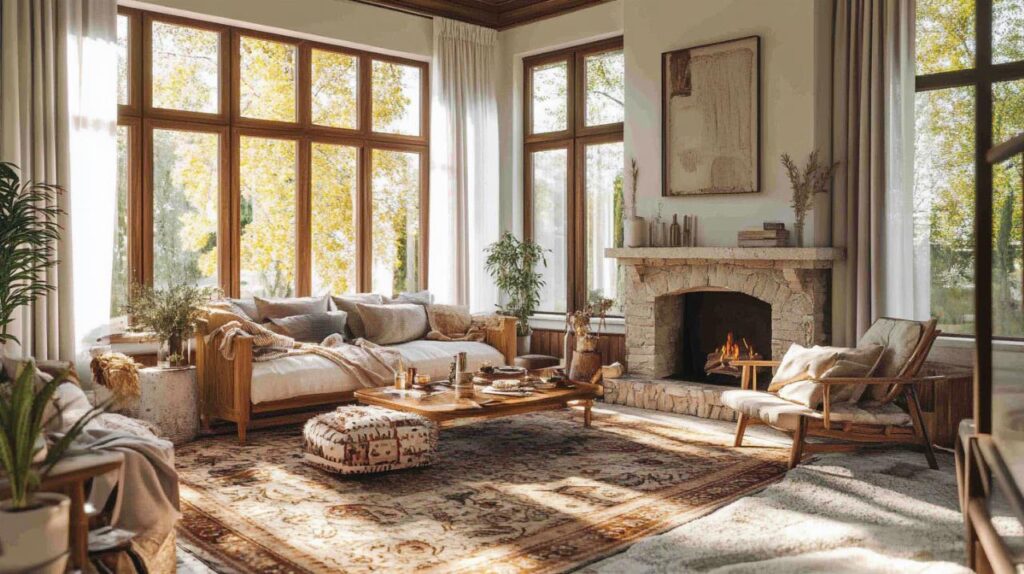
Comfort is paramount in a country home, and one of the simplest ways to achieve this is by layering throws and cushions in your seating areas. These plush textiles invite you to relax and unwind, transforming even the most formal living room into a welcoming retreat. Choose throws made from natural fibres such as wool or cotton, and select cushions in a variety of textures and patterns to add visual interest. The act of layering not only enhances comfort but also introduces warmth and depth to your interior design. In a beautiful country home in spain or a traditional English cottage, the principle remains the same: soft furnishings create a sense of homeliness that is essential to the countryside aesthetic.
Selecting soft upholstery for ultimate relaxation
When selecting upholstery for sofas, armchairs, and dining chairs, prioritise softness and durability. Natural fabrics such as linen and cotton are ideal choices, as they are both comfortable and hard-wearing. Upholstered furniture in muted tones or classic patterns can anchor a room and provide a neutral backdrop for more colourful accessories. In period country homes, where floors may be uneven and ceilings low, choosing the right upholstery can make a significant difference to the overall ambiance. Soft, inviting seating encourages family gatherings and quiet moments of reflection, embodying the relaxed and unhurried pace of rural living.
Bringing the Outdoors Inside with Natural Elements
Displaying fresh flowers and greenery throughout your home
One of the most effective ways to enhance your country home ambiance is to bring the outdoors inside by displaying fresh flowers and greenery. Seasonal blooms in simple vases, potted herbs on windowsills, and trailing plants on shelves create a living connection to the natural world. This practice not only adds colour and fragrance to your home but also reinforces the countryside aesthetic by celebrating the beauty of the garden. Whether you gather wildflowers from a meadow or cultivate your own blooms in the garden, the presence of fresh greenery infuses your interior design with vitality and freshness.
Maximising natural light to enhance your country ambiance
Natural light is a precious commodity in any home, and maximising it is especially important in country properties where the surrounding landscape provides a stunning backdrop. Ensure that windows are kept clean and unobstructed, and choose curtains and blinds that can be easily drawn back to allow sunlight to flood your rooms. In period properties with smaller windows or darker corners, consider using mirrors and lighter paint colours to reflect and amplify available light. Good natural lighting not only enhances the beauty of your interior design but also contributes to energy-efficient home improvements by reducing the need for artificial lighting during the day. By embracing natural light, you create a bright and airy environment that celebrates the connection between indoors and outdoors.
Showcasing handcrafted items and personal touches
Celebrating artisan crafts and bespoke decor
Handcrafted items and bespoke decor are essential for adding a personal touch to your country home. Artisan crafts, whether they are hand-thrown pottery, woven baskets, or bespoke textiles, bring a sense of authenticity and individuality to your interior design. These pieces often reflect traditional skills and local heritage, making them a perfect complement to the rustic charm of period country homes. When planning renovations or bathroom renovations, consider commissioning bespoke joinery or custom fittings that reflect your personal style and the character of your property. Supporting local craftsmen and artists not only enriches your home but also strengthens the connection to your community and the countryside around you.
Infusing Your Space with Unique Character and Memories
The final touch in creating a beautiful country home ambiance is to infuse your space with unique character and memories. Display family photographs, treasured keepsakes, and souvenirs from travels to create a narrative that is distinctly yours. These personal touches transform a house into a home, making it a true reflection of your life and experiences. Whether you choose to showcase a collection of vintage postcards, a gallery wall of botanical prints, or a shelf of well-loved books, these elements add layers of meaning and warmth to your interior design. By celebrating the stories and memories that matter most to you, you create a living environment that is as unique and inviting as the countryside itself.