
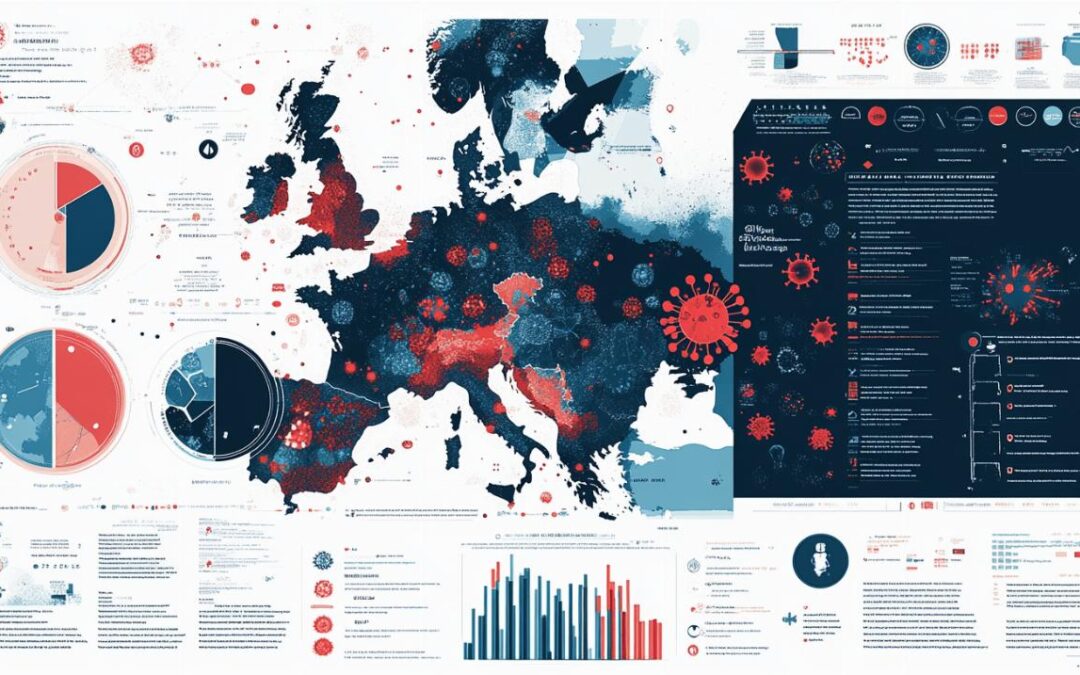
Across France, the coronavirus pandemic has reshaped how regional health services manage patient admissions, placing unprecedented demands on hospitals and intensive care wards. From bustling coastal cities to remote island communities, the pressure on medical facilities has varied dramatically, revealing both strengths and vulnerabilities within the national healthcare system. Understanding these regional disparities offers valuable insight for travellers, residents, and policymakers alike as they navigate an evolving public health landscape.
Regional pressure points: where nhs-style services face greatest strain
The coronavirus outbreak has tested France's healthcare infrastructure in ways not seen during typical seasonal flu epidemics. Analysis of hospitalisation data reveals that COVID-19 admissions significantly outpaced influenza cases, with over eight hundred thousand individuals hospitalised for coronavirus compared to roughly one hundred thousand for flu during comparable periods. This surge placed particular strain on regions with older populations, as patients with COVID-19 tended to be considerably older on average than those admitted with influenza. The demographic shift meant that intensive care units faced not only greater numbers but also longer and more complex treatment courses.
Marseille and southern coastal areas under intensive care scrutiny
Marseille and its surrounding southern coastal zones experienced some of the most intense hospital saturation during peak waves of infection. The concentration of elderly residents in these sun-drenched regions meant that a higher proportion of admissions required intensive care support. Data indicates that among patients aged sixty-five and over, the need for ICU beds was markedly greater for coronavirus than for seasonal flu, with stays extending well beyond a week on average. This prolonged occupancy created bottlenecks, delaying elective procedures and straining staff rosters. The economic burden on hospitals in Marseille escalated accordingly, with average costs per patient far exceeding those associated with influenza treatment. Local health authorities responded by reallocating resources, converting general wards into temporary intensive care spaces, and coordinating with neighbouring regions to transfer patients when bed shortages became critical.
Corsica's unique challenges with limited medical infrastructure
Corsica presented a distinct set of challenges due to its island geography and limited medical infrastructure. With fewer hospital beds per capita than mainland regions and only a handful of intensive care facilities, the island's healthcare system struggled to accommodate surges in severe cases. Transporting critically ill patients to the mainland became a logistical necessity, involving air ambulances and careful coordination with specialist centres. The island's reliance on tourism also complicated matters, as seasonal population swells increased transmission risks while simultaneously stretching local health services. Vaccination campaigns took on heightened importance in Corsica, where every severe case prevented translated directly into preserved hospital capacity. The experience underscored the vulnerability of remote and less densely equipped regions when faced with a rapidly spreading respiratory infection.
Understanding the figures: what reanimation rates tell us about local health systems
Reanimation rates, or the proportion of hospitalised patients requiring intensive care, serve as a critical barometer for assessing the resilience of local health systems. Higher rates signal not only the severity of illness within a population but also the capacity of hospitals to provide advanced life-support interventions. Across France, these rates varied according to several factors, including age demographics, vaccination coverage, and the availability of specialist medical staff. Regions with robust public health campaigns and higher immunisation uptake generally reported lower reanimation rates, as vaccinated individuals who contracted the virus tended to experience less severe symptoms requiring hospitalisation.

Decoding bed occupancy and incidence data across french territories
Bed occupancy rates fluctuated throughout the pandemic, with some territories nearing full capacity during surges while others maintained manageable caseloads. Incidence data, which tracks the number of new infections per hundred thousand inhabitants, provided early warning signals for impending hospital pressure. When incidence climbed rapidly in a given area, health planners braced for increased admissions within a week or two, as infections progressed from diagnosis to severe illness. Length of stay emerged as another crucial metric, with coronavirus patients occupying beds for considerably longer periods than flu sufferers. For those aged sixty-five to seventy-five, stays extended beyond a week on average, tying up resources and limiting the ability of hospitals to admit new cases. This dynamic forced administrators to closely monitor both current occupancy and projected admissions, adjusting staffing and resource allocation in real time.
How vaccination coverage influences regional hospital capacity
Vaccination campaigns proved instrumental in alleviating pressure on regional hospitals, particularly among older adults who faced the greatest risk of severe illness. Areas with high immunisation uptake reported fewer intensive care admissions relative to their infection rates, demonstrating the protective effect of vaccines. Economic data further highlighted the value of vaccination, as preventing severe cases translated into substantial savings on hospital costs. The difference in expenditure between treating a vaccinated individual with a mild breakthrough infection and managing an unvaccinated patient requiring weeks of intensive care was stark. Public health authorities emphasised these findings in their messaging, encouraging booster doses and targeting outreach to communities with lower vaccine acceptance. The correlation between vaccination rates and hospital capacity underscored the importance of preventive measures in maintaining a functioning healthcare system during periods of high transmission.
Emergency measures: plan blanc activation and sanitary protocols
When hospital saturation reached critical thresholds, French health authorities activated emergency protocols designed to maximise capacity and safeguard patient care. Plan Blanc, a national framework for crisis response, empowered hospitals to cancel non-urgent procedures, recall off-duty staff, and repurpose facilities to accommodate surges. These measures, while effective in the short term, placed significant strain on healthcare workers and postponed care for patients with other serious conditions. Sanitary protocols within hospitals evolved continuously, balancing infection control with the need to maintain operational efficiency.
What happens when hospitals trigger their crisis response lists
Activation of Plan Blanc involved a cascade of organisational changes within affected hospitals. Elective surgeries were postponed indefinitely, freeing up anaesthetists and nurses to support intensive care units. General wards underwent rapid conversion, with medical equipment and ventilators transported from other facilities or borrowed from private clinics. Staff rosters expanded through mandatory overtime and the recall of retired clinicians willing to volunteer. Regional health agencies coordinated transfers between hospitals, moving patients from overwhelmed facilities to those with available beds, sometimes across considerable distances. Communication networks between hospitals intensified, ensuring that every available bed was known and accessible. These crisis response lists also prioritised the distribution of medical supplies, from oxygen tanks to personal protective equipment, directing resources to the areas of greatest need. While these measures prevented total system collapse, they highlighted the fragility of healthcare capacity when faced with sustained demand.
Practical info for travellers: navigating healthcare access during peak periods
For travellers visiting France during periods of heightened hospital pressure, understanding how to access care becomes essential. Health insurance coverage should be verified before departure, ensuring that policies include treatment for respiratory infections and potential hospital stays. In regions experiencing high incidence rates, obtaining travel insurance with robust medical provisions offers additional security. Those requiring routine medical attention should contact local pharmacies or general practitioners rather than visiting emergency departments, which remain reserved for urgent cases. Monitoring regional incidence maps and vaccination recommendations helps travellers make informed decisions about destination choices and precautionary measures. Staying updated on entry requirements, testing protocols, and quarantine regulations ensures compliance with local sanitary measures. Travellers with pre-existing conditions or those in higher risk age groups should consult healthcare providers about vaccination status and consider carrying relevant medical documentation. By staying informed and prepared, visitors can navigate the French healthcare system effectively, even during challenging public health circumstances.